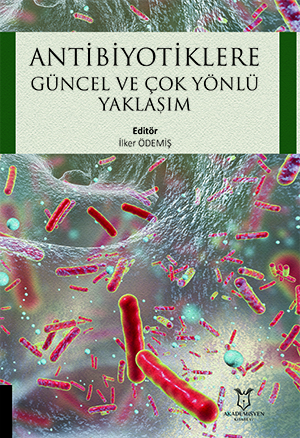



The Spread And Mechanisms Of Antibiotic Resistance In Pathogenic Bacterial Species
The rapid rise of antibiotic resistance is regarded as one
of the most critical global threats to modern medicine, and the strengthening
of resistance mechanisms—particularly in pathogenic bacterial
species—significantly reduces the effectiveness of clinical treatment
strategies. This study aims to investigate the dissemination patterns and
molecular-genetic mechanisms of antibiotic resistance in a specific pathogenic
bacterium. The research extensively examines the major factors contributing to
resistance, including the synthesis of β-lactamases, hyperactivity of efflux
pumps, target-site mutations, and plasmid- and transposon-mediated gene
transfer. It also analyzes epidemiological indicators that determine the
dynamics of resistance spread among various risk groups and in both
hospital-acquired and community-acquired infections. Findings show that uncontrolled
antibiotic use, improper dosing, incomplete treatment courses, and strong
selective pressure in hospital environments accelerate the emergence of
resistant strains. Genetic analyses confirm that resistance genes spread widely
among bacteria through horizontal gene transfer, thereby promoting the
emergence of new multidrug-resistant pathogens. At the same time, the
application of modern molecular diagnostic techniques enables early detection
of resistance determinants, allowing for more efficient clinical
decision-making. Overall, the study demonstrates that
managing antibiotic resistance requires not only pharmacological approaches but
also comprehensive strategic measures—including antimicrobial stewardship,
infection control programs, and antibiotic stewardship systems. Consequently,
an in-depth understanding of the dissemination mechanisms of antibiotic
resistance in pathogenic bacteria holds significant scientific and practical
importance for developing new treatment models relevant to global healthcare.
Kitap Adı:
Science And The Future
Atıf Sayısı :