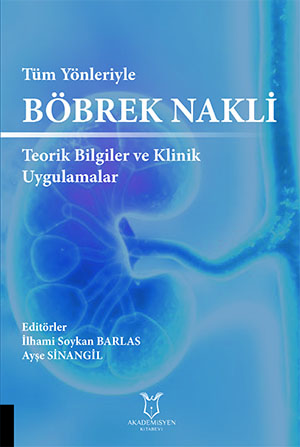



Infectious, Non-infectious And Vascular Complications Of The Eye After Kidney Transplantation
Although kidney transplantation is the gold standard
treatment for patients with end-stage renal failure, the lifelong
immunosuppressive therapy required for graft survival makes patients
susceptible to serious ocular complications. This study examines post-transplant
ocular conditions under three main headings: infectious, non-infectious, and
vascular. Within the infectious complications, herpes viruses are the most
common viral pathogens causing serious post-transplant ocular infections. The
most important clinical conditions include cytomegalovirus retinitis, herpes simplex
virus keratitis, herpes zoster ophthalmicus, herpetic acute retinal necrosis,
and Epstein-Barr virus retinitis, and the diagnostic and treatment strategies
for these important pathologies are highlighted. Toxoplasma chorioretinitis,
caused by the obligate intracellular protozoan parasite Toxoplasma gondii, is a
destructive ocular infection and its important aspects are discussed in this
section. Ocular bacterial infections in renal transplant recipients are serious
complications caused by opportunistic pathogens due to the effects of
immunosuppression. In this group, ocular syphilis, cat scratch disease, and
tuberculosis are primarily examined. On the other hand, when fungal infections
are considered, Aspergillus is one of the most common causes of systemic fungal
diseases in kidney transplant recipients. In the section on non-infectious and
vascular complications, tubulointerstitial nephritis and uveitis syndrome,
hypertensive retinopathy, diabetic retinopathy, and retinal vein occlusion are
covered. Because immunosuppressive drugs can mask typical signs of ocular
inflammation, early diagnosis of vision-threatening conditions in kidney
transplant recipients is difficult. To prevent diagnostic delays and permanent
vision loss, regular ophthalmological screenings and a multidisciplinary
approach are vital for these patients.
Kitap Adı:
Complications After Kidney Transplantation
Atıf Sayısı :